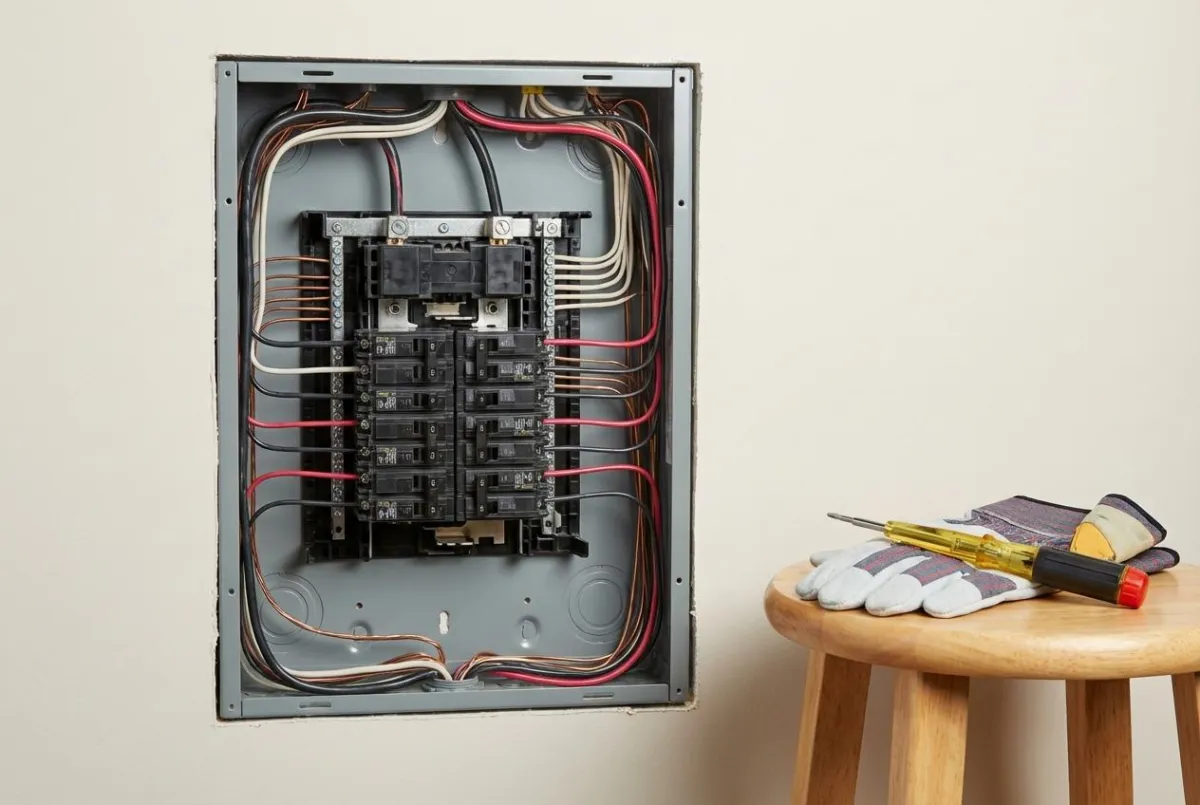
04 - Subpanel Grounding and Bonding
Essential Electrical Safety Guide: What Every Home Buyer Should Know About Subpanels and Grounding Systems
When you're shopping for a new home, it's easy to get caught up in granite countertops and hardwood floors. But as a seasoned home inspector, I can tell you that what's hidden behind your electrical panel covers can make the difference between a safe home and a potentially dangerous one. Understanding proper electrical grounding and bonding—especially in subpanels—is critical knowledge that could save your life and protect your investment.
Understanding Subpanel Configuration: The Safety Fundamentals
One of the most crucial aspects I examine during inspections is how subpanels are configured. A subpanel is a secondary electrical panel that distributes power to specific areas of your home, and its proper setup is non-negotiable for safety.
Here's what proper subpanel configuration looks like:
Equipment grounding conductors (EGCs)—the bare copper or green wires that provide a safety path for electrical faults—must be connected to separate grounding terminal bars from the neutral conductors. This separation is absolutely essential and is one of the most common defects I encounter during inspections.
These grounding terminal bars must be properly bonded (connected) to the metal subpanel enclosure itself. This bonding typically happens in one of two ways: either the terminal bar is mounted directly to the enclosure, or a bonding bar or strap connects the terminal bar to the enclosure. This connection ensures that if an electrical fault occurs, the current has a safe path to ground, immediately tripping the breaker and preventing electric shock or fire.
Special Considerations for Detached Buildings
If the home you're considering has detached structures—such as storage sheds, workshops, barns, or guest houses that receive power from the main residence—pay special attention to their electrical systems.
For Simple Detached Structures:
If a detached building is served by just a single 15 or 20 amp branch circuit (like a basic shed with one outlet and a light), the requirements are straightforward. The circuit simply needs to contain an equipment grounding conductor, which modern electrical codes require. No additional special grounding connections are necessary.
For More Complex Detached Buildings:
However, when a detached building is served by two or more branch circuits or has a subpanel with feeder conductors, the requirements become significantly more stringent. These structures must have their own grounding electrode system installed—essentially a connection to the earth itself, typically through ground rods or other approved grounding electrodes.
For New Electrical Installations in Detached Buildings:
Any new branch circuits or feeders running to detached buildings must include an equipment grounding conductor. This EGC connects to the grounding electrode at the detached building. Critically, the neutral conductors must remain isolated—separated from both the EGC and the subpanel enclosure. This configuration prevents dangerous current from traveling on unintended paths.
For Existing Older Installations:
If you're looking at an older home with detached buildings that have existing electrical service without an equipment grounding conductor, the system may be grandfathered under current codes. However, a grounding electrode should still be present. In these legacy installations, the subpanel should be configured as a main breaker panel, meaning EGCs and neutral conductors can be connected to the same terminal bars, and both should connect to the grounding electrode and bond to the enclosure.
Critical Defects Every Home Buyer Should Watch For
During your home inspection, ensure your inspector specifically checks for these common but serious defects in subpanels:
1. Improper Neutral and Ground Connections
The most frequent violation I encounter: equipment grounding conductors and neutral conductors connected to the same terminal bar in a subpanel. This is a code violation because it creates multiple return paths for neutral current and can result in current flowing through metal parts of your home, creating shock and fire hazards.
2. Missing or Improper Bonding
Equipment grounding conductors or their terminal bars that aren't properly bonded to the subpanel enclosure. Without this connection, the entire safety system fails—fault current has no path to safely dissipate, meaning breakers won't trip during a fault condition.
3. Other Panel Defects
Your inspector should also examine other typical defects found inside electrical enclosures, including improper wire sizing, missing knockouts, overheated connections, and double-tapped breakers.
Why This Matters to You as a Home Buyer
Electrical defects are among the most serious issues found during home inspections because they present immediate safety hazards. Unlike a leaky faucet or worn carpet, improper electrical grounding can result in:
Electric shock or electrocution hazards from appliances and fixtures
Increased fire risk from faults that don't properly trip breakers
Expensive repairs that require licensed electricians and permit work
Insurance complications if known defects aren't corrected
The good news is that these issues are identifiable and correctable. Armed with this knowledge, you can ask informed questions during your home inspection and negotiate repairs or price adjustments based on the true scope of electrical deficiencies.
Current Code References
The electrical standards referenced here align with the International Residential Code 2018, specifically sections E3607.2 (which addresses the location of grounding electrode conductor connections) and E3607.3 (covering grounding requirements in detached buildings). While specific code requirements may vary by jurisdiction, these principles represent best practices for electrical safety.
Your Action Plan
When shopping for a home:
Hire a qualified home inspector with specific expertise in electrical systems
Request detailed documentation of all subpanels and detached building electrical services
Ask specific questions about grounding and bonding configurations
Budget for repairs if defects are identified—these aren't DIY projects
Obtain multiple estimates from licensed electricians for any necessary corrections
Remember, a home is likely the largest investment you'll ever make. Don't let hidden electrical hazards compromise your safety or your investment. Understanding proper subpanel configuration and grounding systems empowers you to make informed decisions and ensures the home you purchase is not only beautiful but also fundamentally safe.
The electrical system is your home's circulatory system—when it's properly configured and maintained, everything works safely and reliably. Take the time to understand these critical safety features, and don't hesitate to walk away from a property with serious electrical deficiencies or to negotiate proper corrections before closing.
Your family's safety is worth far more than any cosmetic upgrade.


