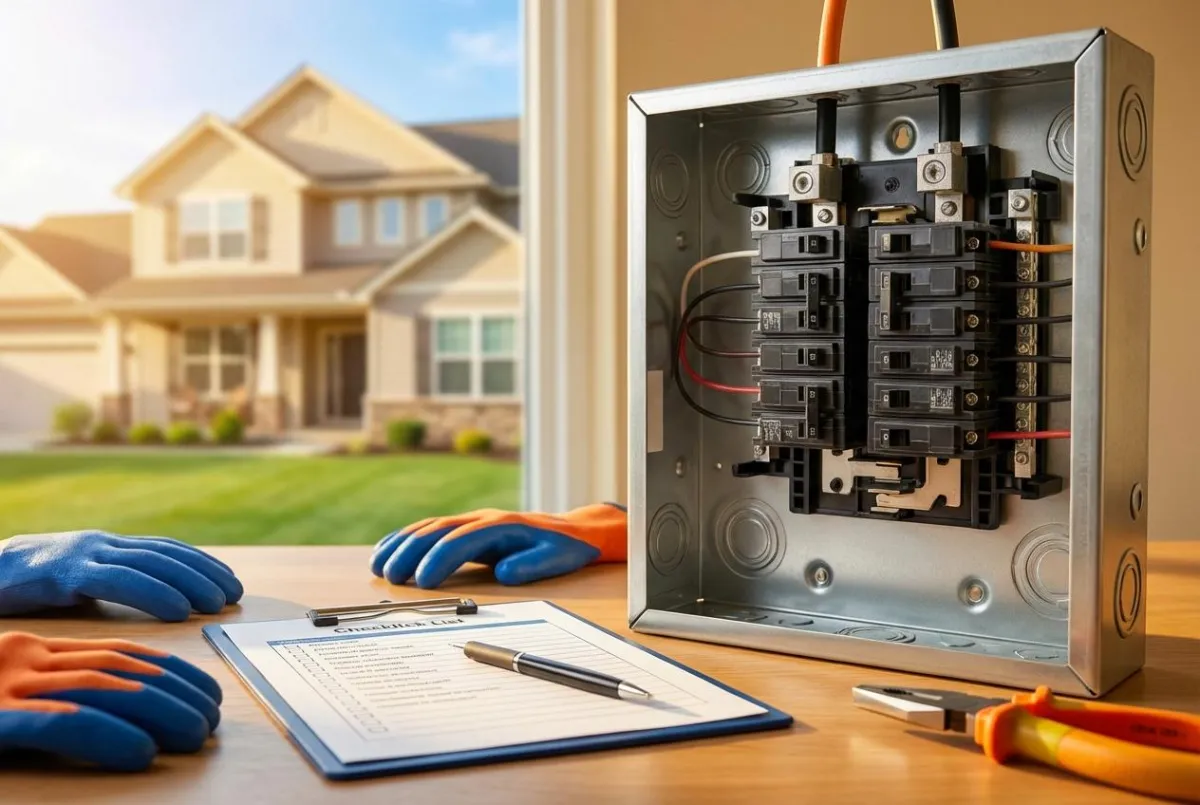
05 - The Essential Guide to Electrical Branch Circuits
The Essential Guide to Electrical Branch Circuits: What Every Home Buyer Should Know
As a home inspector, one of the most critical yet often overlooked aspects of a property is its electrical system. Understanding branch circuits—the pathways that deliver electricity throughout a home—can protect you from costly repairs and safety hazards after purchase. Let me share the expertise you need to evaluate whether a home's electrical system meets your needs and modern safety standards.
Why Branch Circuits Matter to You
Branch circuits are the individual electrical pathways that run from your main electrical panel to specific areas and appliances throughout your home. Think of them as the tributaries flowing from a main river. Modern homes require specific dedicated circuits to handle today's electrical demands safely, but don't dismiss an older home simply because it lacks these features—context matters, and I'll explain why.
The Kitchen: Your Home's Electrical Powerhouse
The kitchen demands more electrical capacity than any other room in your home, and for good reason. When evaluating a potential purchase, verify that the kitchen hastwo separate 20-amp, 120-volt branch circuitsdedicated exclusively to countertop receptacles. These same circuits also serve receptacles in breakfast and dining areas, with one circuit permitted to power the refrigerator.
Why does this matter? Modern kitchens require simultaneous use of multiple appliances—coffee makers, toasters, blenders, stand mixers, and more. Without adequate dedicated circuits, you'll experience frequent breaker trips, inconvenience, and potential fire hazards from overloaded circuits. If you're touring a home and notice the kitchen lights dim when you run the microwave, that's a red flag indicating inadequate electrical capacity.
Additionally, if the home has a kitchen exhaust fan or microwave oven installed, these should ideally be on their own dedicated 20-amp, 120-volt circuit. Dishwashers and food-waste disposers each typically require their own dedicated 120-volt circuits as well. When walking through a kitchen, open the electrical panel (or have your inspector do so) and verify these dedicated circuits exist.
Heating and Cooling Systems: Dedicated Power Is Non-Negotiable
Your furnace or air handler requires its own dedicated branch circuit, operating at either 120 or 240 volts depending on the system. This dedicated circuit ensures your heating and cooling equipment operates reliably without interference from other electrical loads. Most air conditioning condensers also run on dedicated 240-volt circuits.
During your home inspection, confirm that these critical comfort systems have proper dedicated circuits. A shared circuit could mean your heating or cooling system fails to start when other appliances are running—an unacceptable situation during extreme weather.
Laundry Room Requirements
The laundry room requiresone dedicated 20-amp, 120-volt branch circuitthat serves only the receptacles in that space. This circuit handles the significant electrical demand of modern washing machines and provides outlets for additional laundry equipment.
Most electric dryers operate on separate 240-volt dedicated circuits (more on this later), but even if you're purchasing a home with a gas dryer connection, that dedicated 20-amp circuit for the laundry room receptacles remains essential for safe operation.
Bathroom Electrical Standards
Bathrooms requireone 20-amp, 120-volt branch circuitdedicated to serving only bathroom receptacles. This prevents your hairdryer or electric razor from tripping breakers when someone elsewhere in the home uses another appliance.
There is one important exception: a home may have one 20-amp, 120-volt branch circuit for each bathroom that serves both the lights and receptacles within that specific bathroom. This arrangement is acceptable under current standards, but the circuit must not extend beyond that single bathroom.
When viewing homes, pay attention to how many bathrooms share circuits. In older homes, you may find all bathroom receptacles on a single circuit—this isn't necessarily a defect in an older home, but it does indicate the electrical system hasn't been updated to modern standards.
Large Appliances and 240-Volt Circuits
Most 240-volt circuits throughout a home are dedicated to single appliances with high electrical demands. These include water heaters, air conditioning condensers, well pumps, electric ranges, wall ovens, and cooktops. Each of these appliances typically requires its own dedicated circuit to function safely and efficiently.
There are limited exceptions that allow multiple cooking appliances on one circuit, but generally, if you're purchasing a home with electric cooking equipment, expect each major appliance to have its own circuit.
When evaluating a property, identify all 240-volt appliances and confirm each has appropriate dedicated circuits. Missing or improperly configured circuits will require expensive electrical work after purchase.
Understanding General Lighting and Receptacle Circuits
Not every outlet in your home requires a dedicated circuit. General lighting and receptacle branch circuits serve most of the outlets and light fixtures throughout living spaces, bedrooms, and hallways. Unlike the specific circuits discussed above, these general circuits don't have strict limits on the number of receptacles or lights they can serve.
However, the electrical load must be evenly distributed among these circuits. Here's what you need to know:
Fixed-in-place appliances(permanently installed equipment) should not exceed 50% of the circuit's amperage rating. On a standard 15-amp, 120-volt circuit, this means no more than 7.5 amps for any single fixed appliance.
Cord-and-plug connected appliancesshould not exceed 80% of the circuit's amperage rating. On that same 15-amp circuit, this limits any single plug-in appliance to 12 amps maximum.
These restrictions prevent overloading and ensure safe, reliable operation. When touring a home, consider your lifestyle and electrical needs. If you plan to run multiple high-demand devices in a home office or entertainment center, verify that adequate general circuits serve those areas.
The receptacles on general lighting circuits are limited to 15 or 20-amp ratings. On a 15-amp circuit, you'll find 15-amp rated receptacles. On a 20-amp circuit, you'll find either 15 or 20-amp rated receptacles. You can identify a 20-amp receptacle by the distinctive short notch perpendicular to the neutral slot—a design that accommodates both standard and 20-amp plugs.
Multiwire Branch Circuits: A Critical Safety Consideration
Multiwire branch circuits represent a more complex electrical configuration that requires special attention during home inspections. These circuits consist of three wires: two hot (ungrounded) wires and one shared neutral (grounded) wire.
In residential systems, the voltage between the two hot wires measures 240 volts, while the voltage between either hot wire and the neutral wire measures 120 volts. When functioning correctly, the shared neutral wire carries zero voltage because the currents cancel each other out.
You'll commonly find multiwire branch circuits in several locations:
Split-wired kitchen receptaclesthat provide the required two 20-amp countertop circuits I mentioned earlier
Split-wired receptaclesserving both the dishwasher and garbage disposer
Clothes dryer circuitsandrange circuits
Water heater and air conditioning condenser circuits typically are not multiwire configurations because they lack the neutral wire.
Here's the critical safety issue you must verify:Circuit breakers protecting multiwire branch circuits must be connected with an approved handle tie.This device ensures both hot legs of the circuit disconnect simultaneously. Without this handle tie, an electrician or homeowner could unknowingly disconnect only one hot leg while leaving the other energized—a dangerous situation that could result in electrical shock or equipment damage.
During your home inspection, have your inspector specifically check for proper handle ties on all multiwire branch circuits. This is a mandatory safety requirement, and missing handle ties represent a significant defect requiring immediate correction.
What About Older Homes?
As you search for your ideal home, you'll likely encounter older properties that lack some or all of these dedicated circuits. This doesn't automatically make them poor choices.
Older homes built before modern electrical codes took effect aren't necessarily deficient simply because they don't have all the dedicated circuits required in new construction. The key distinction is this: these homes were built to the standards of their time and may function adequately for your needs.
However, you should carefully consider your lifestyle and electrical demands. If you're purchasing a 1950s home with limited kitchen circuits but you're an avid cook who uses multiple appliances simultaneously, you'll need to budget for electrical upgrades. Similarly, if you work from home and require multiple computers, monitors, and equipment, verify the home has adequate circuits to support your setup without constant breaker trips.
An experienced home inspector can help you understand the practical implications of an older electrical system and estimate upgrade costs. This information empowers you to make informed offers and negotiate appropriately.
Your Action Plan When House Shopping
Armed with this knowledge, approach electrical evaluation systematically:
1. Request access to the electrical panelduring showings and inspections. Count the circuits and identify dedicated circuits for major appliances.
2. Test outlets in kitchens and bathroomsto see if they're on dedicated circuits (your inspector will do this formally, but you can make preliminary observations).
3. Document all 240-volt appliancesand verify each has appropriate dedicated circuits.
4. Identify any multiwire branch circuitsand confirm proper handle ties are installed at the breaker panel.
5. Consider your electrical needsagainst what the home provides. If you're planning significant upgrades—like adding a home office, workshop, or electric vehicle charger—discuss circuit capacity with your inspector.
6. Request estimates for any necessary electrical upgradesbefore finalizing your purchase. This information provides leverage during negotiations and prevents costly surprises.
The Bottom Line
Electrical systems form the invisible backbone of modern homes, and understanding branch circuit requirements protects your investment. While dedicated circuits might seem like technical minutiae, they directly impact your daily comfort, safety, and the home's resale value.
A home with properly configured dedicated circuits signals an electrical system designed for modern living—fewer breaker trips, better appliance performance, and reduced fire risk. Conversely, inadequate circuits indicate you'll need to invest in upgrades, potentially running into thousands of dollars depending on the scope of work required.
As your advocate during the home-buying process, I've seen too many buyers overlook electrical systems only to face expensive corrections later. By understanding these branch circuit requirements and carefully evaluating each property's electrical infrastructure, you'll make confident, informed decisions that serve you well for years to come.
Don't let the complexity of electrical systems intimidate you. With this knowledge and a thorough home inspection by a qualified professional, you'll identify the right home that meets both your needs and modern safety standards—or you'll negotiate appropriate concessions for necessary upgrades. Either way, you'll purchase with confidence, knowing exactly what electrical infrastructure you're getting and what it means for your future in the home.


